Creating a beautiful and functional outdoor space involves careful consideration of various garden design principles. These principles serve as guidelines that help gardeners create harmonious, aesthetically pleasing, and practical landscapes. Understanding and applying these concepts can transform any garden into a sanctuary that reflects personal style while meeting the needs of its users. In this article, we will explore key garden design principles, focusing on balance and symmetry, color theory and plant selection, and the importance of creating functional spaces.
The Importance of Balance and Symmetry in Garden Design
Balance and symmetry are fundamental concepts in garden design that contribute to the overall harmony of a space. Balance refers to the visual weight of elements within the garden, while symmetry involves the arrangement of these elements in a way that creates a mirror-like effect. Achieving balance can be accomplished through various methods, including the distribution of plants, hardscaping features, and decorative elements. For example, if one side of the garden features a large tree, the opposite side might benefit from a grouping of smaller shrubs to create balance. Symmetrical designs often evoke a sense of formality and order, making them ideal for traditional gardens. To implement these principles, gardeners can start by sketching their layout, considering how each element relates to one another, and ensuring that no part of the garden feels too heavy or cluttered.
Color Theory and Plant Selection for Visual Appeal
Color theory plays a significant role in the visual appeal of a garden. The use of color can evoke emotions create focal points, and influence the perception of space. When selecting plants, it is crucial to consider the color wheel and how colors can complement or contrast with one another. Warm colors like reds and yellows tend to advance, making spaces feel cozier, while cool colors like blues and greens recede, providing a sense of tranquility. To create a visually stunning garden, gardeners should strive for a harmonious color palette. For instance, a garden featuring an array of purple, blue, and white flowers can create a calming effect, while bright yellows and oranges can energize a space. Additionally, textures and foliage colors should be considered, as they add depth and interest. When planning plant selection, it’s beneficial to create a color scheme that flows throughout the garden, ensuring that each area feels cohesive and inviting.
Creating Functional Spaces: Zones and Pathways in Your Garden
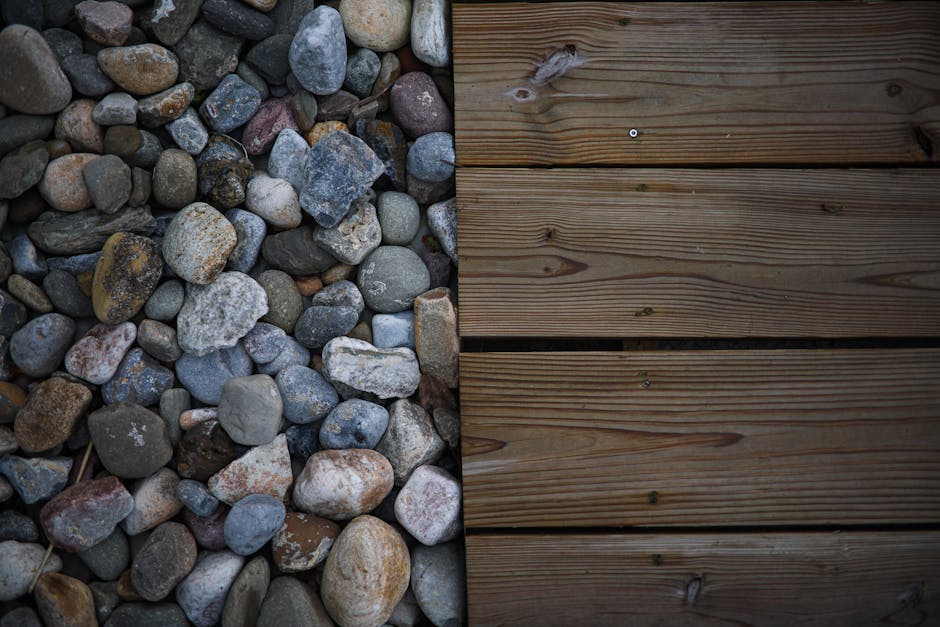
Functional spaces are essential in garden design, as they allow for various activities and experiences. Creating distinct zones within the garden can help maximize the use of space and enhance the overall functionality. Common zones include areas for relaxation, dining, gardening, and play. Each zone should be designed with its purpose in mind, incorporating elements that facilitate the intended activities. Pathways are a crucial component in connecting these zones, guiding visitors through the garden and encouraging exploration. When designing pathways, consider materials that complement the garden’s style, such as gravel, stone, or wood. The width and layout of the pathways should accommodate the flow of movement while ensuring accessibility. Additionally, incorporating seating areas along pathways can create inviting spots for rest and contemplation.
| Principle | Description | Application |
|---|---|---|
| Balance | Visual weight distribution | Use symmetrical plant arrangements |
| Color Theory | Emotional impact of colors | Select complementary plants |
| Functional Spaces | Zones for different activities | Designate areas for relaxation, dining |
In conclusion, understanding and applying garden design principles can significantly enhance the beauty and functionality of any outdoor space. By focusing on balance and symmetry, utilizing color theory in plant selection, and creating functional zones with well-designed pathways, gardeners can create environments that are not only aesthetically pleasing but also serve the needs of those who use them. Embracing these principles invites experimentation and creativity, allowing each gardener to craft a unique space that resonates with their vision and lifestyle. For more insights on effective garden design principles, consider exploring additional resources that delve deeper into these foundational concepts.